

⚠️ Skincare Acne Treatment Recall Due to Benzene Contamination
In a concerning update for skincare acne treatment users, the U.S. Food and Drug Administration (FDA) has announced the recall of several popular acne treatment products due to dangerously high levels of benzene, a known cancer-causing chemical.
Benzene can form as a byproduct in products containing benzoyl peroxide, a common active ingredient in over-the-counter acne medications. The FDA recently tested 95 acne products and discovered that several exceeded the safe limits of benzene contamination.
???? Recalled Skincare Acne Treatment : Check Your Products
The FDA urges consumers to immediately check their skincare cabinets. If you're using any of the following recalled acne treatments, inspect the lot number and expiration date. Expired products or any on the recall list should be safely discarded.
Here are the acne treatment products affected by the recall:
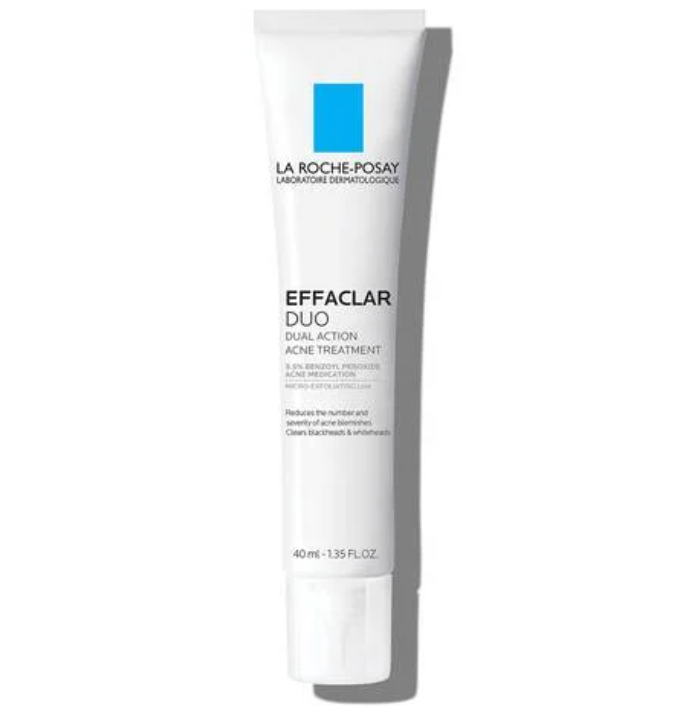
- La Roche-Posay Effaclar Duo Dual Action Acne Treatment
- Lot number: MYX46W
- Expiration: April 2025
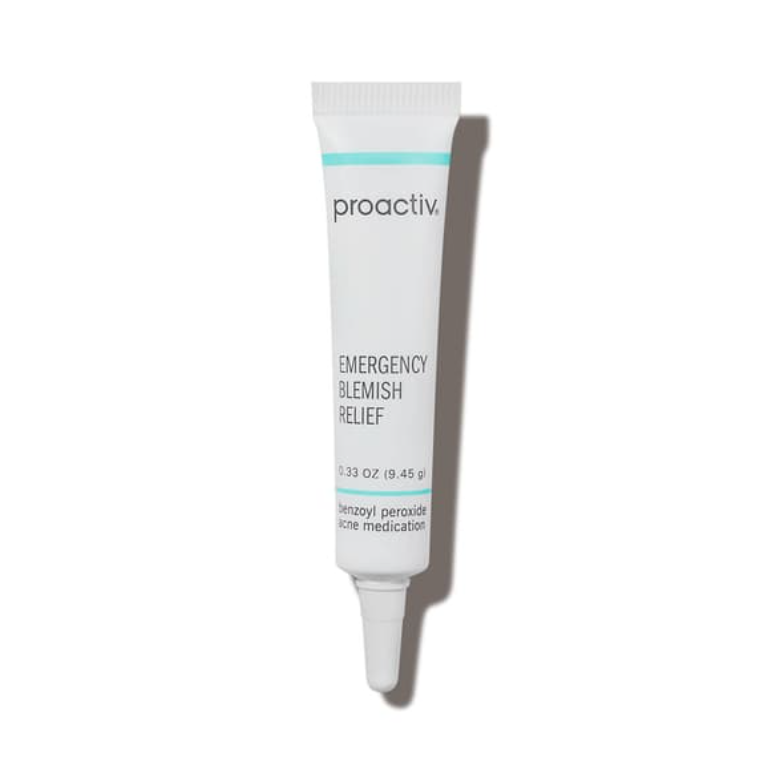
- Proactiv Emergency Blemish Relief Cream (5% Benzoyl Peroxide)
- Lot numbers: V3305A and V3304A
- Expiration: October 2025
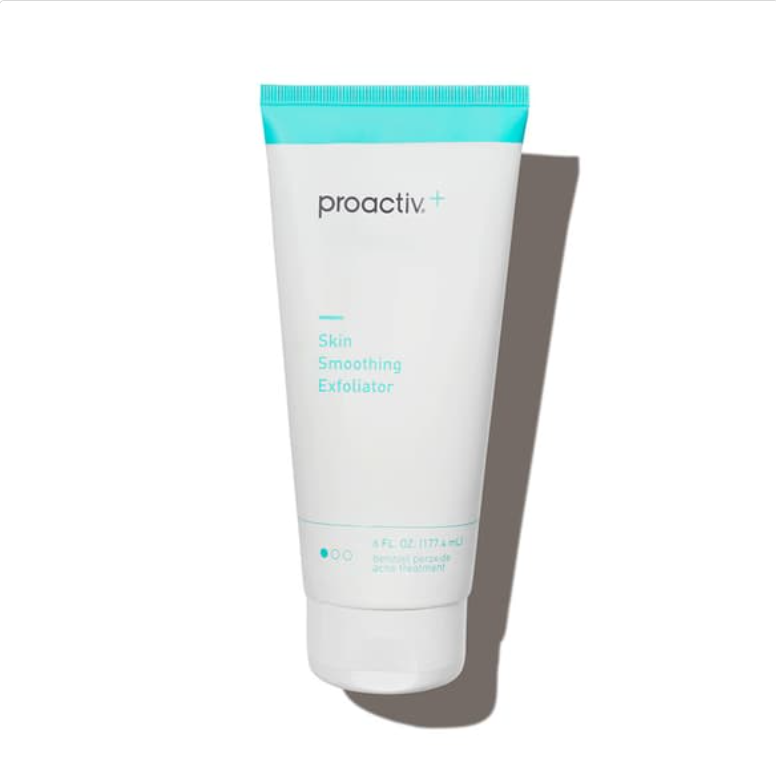
- Proactiv Skin Smoothing Exfoliator
- Lot number: V4204A
- Expiration: July 2025
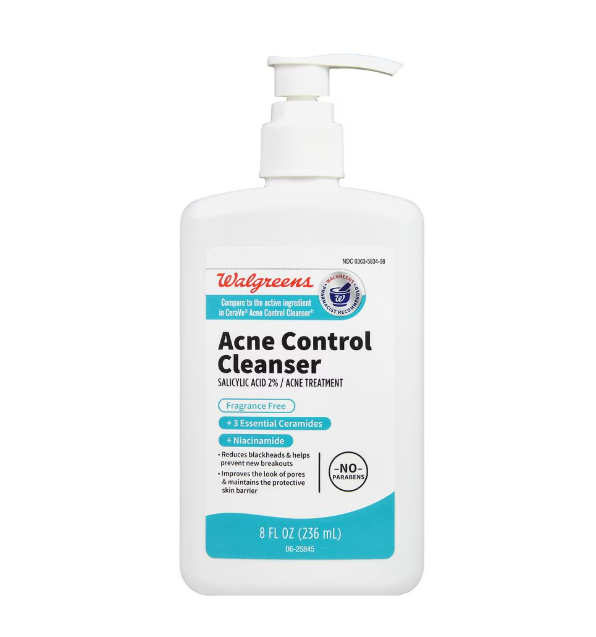
- Walgreens Acne Control Cleanser
- Lot number: 23 09328
- Expiration: September 2025
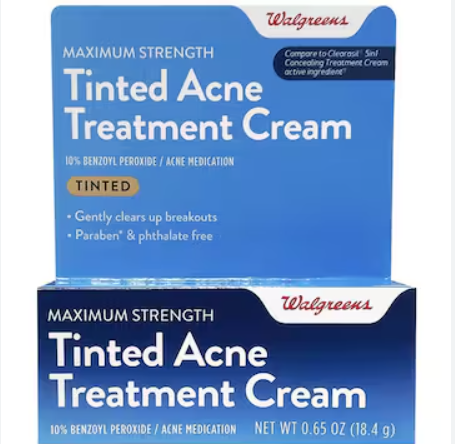
- Walgreens Tinted Acne Treatment Cream
- Lot number: 49707430
- Expiration: March 2026
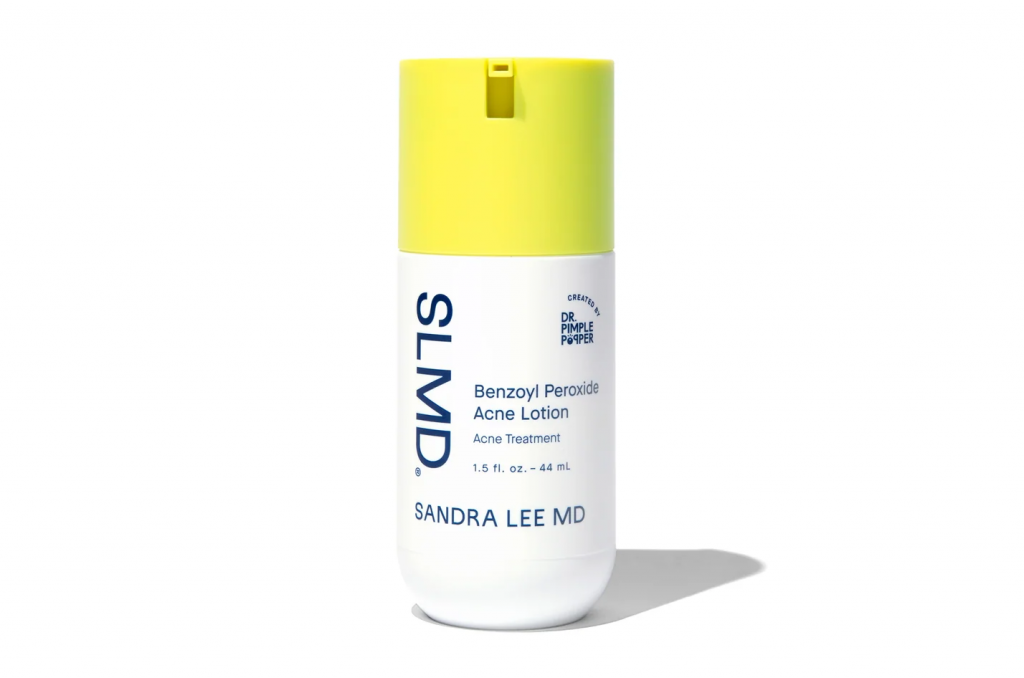
- SLMD Benzoyl Peroxide Acne Lotion
- Lot number: 2430600
- Expiration: March 2025
???? Zapzyt Acne Treatment Also Voluntarily Recalled
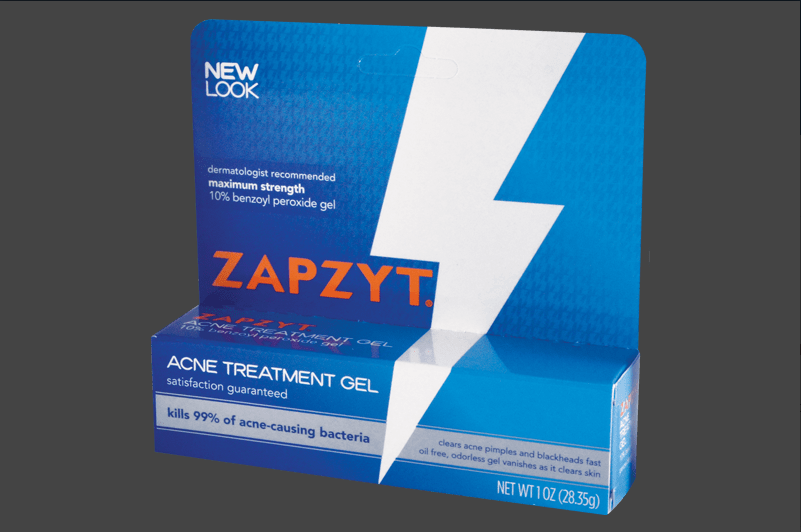
Additionally, the maker of Zapzyt Acne Treatment Gel has voluntarily recalled its product following similar benzene contamination discovered during independent testing. This move adds to growing concerns about benzoyl peroxide safety and its potential to break down into harmful chemicals when improperly stored or formulated.
???? Why Is Benzene Dangerous in Skincare Acne Treatment ?
Benzene is a toxic chemical classified as a Group 1 human carcinogen by the World Health Organization (WHO). Long-term exposure—even at low levels—can lead to serious health risks, including:
- Blood cancers like leukemia
- Immune system suppression
- Bone marrow damage
The presence of benzene in acne products with benzoyl peroxide highlights a need for stricter manufacturing controls and better product stability, especially in warm or humid environments where chemical breakdown may accelerate.
????️ What You Can Do to Stay Safe
- Stop using any product listed in the acne treatment recall.
- Check lot numbers and expiration dates on your skincare products.
- Follow recall updates on the FDA's website or subscribe to product safety alerts.
- Consider switching to benzene-free acne treatments with alternative active ingredients like salicylic acid or adapalene.
✅ Stay Informed on Skincare Acne Treatment Product Safety
As the FDA continues its investigation, more brands and formulations could be added to the list. For now, consumers are advised to be vigilant and prioritize safe acne treatments that are tested for purity and free from toxic contaminants.
What to Do If You've Been Using a Recalled Skincare Acne Treatment
If you've been using any of the recently recalled acne products due to concerns about benzene, the safest course of action is to stop using them immediately. You can either dispose of the products safely or return them to the place of purchase for a potential refund.
According to the FDA, while benzene is a known carcinogen, the risk of developing cancer from using these acne treatments, even daily over many years, is considered low. Still, growing awareness of this chemical's potential danger has led to increased testing and multiple product recalls in recent years.
Many over-the-counter acne medications—especially those that include benzoyl peroxide—may produce benzene under certain conditions. Heat and direct sunlight can accelerate this breakdown, but recent studies suggest that benzoyl peroxide can degrade into benzene even at normal room temperatures.
It's important to note that benzene is not unique to skincare. It occurs naturally in the environment and is found in substances like cigarette smoke, as well as household products such as detergents, medications, and pesticides.
7 Skincare Acne Treatment Products You Should Never Buy
⚠️ Skincare Acne Treatment Recall Due to Benzene Contamination In a concerning update for skincare acne treatment users, the U.S. Food and Drug Administration (FDA) has announced the recall of [...]
How to Choose the Perfect Organic Soap Bar for Your Skin
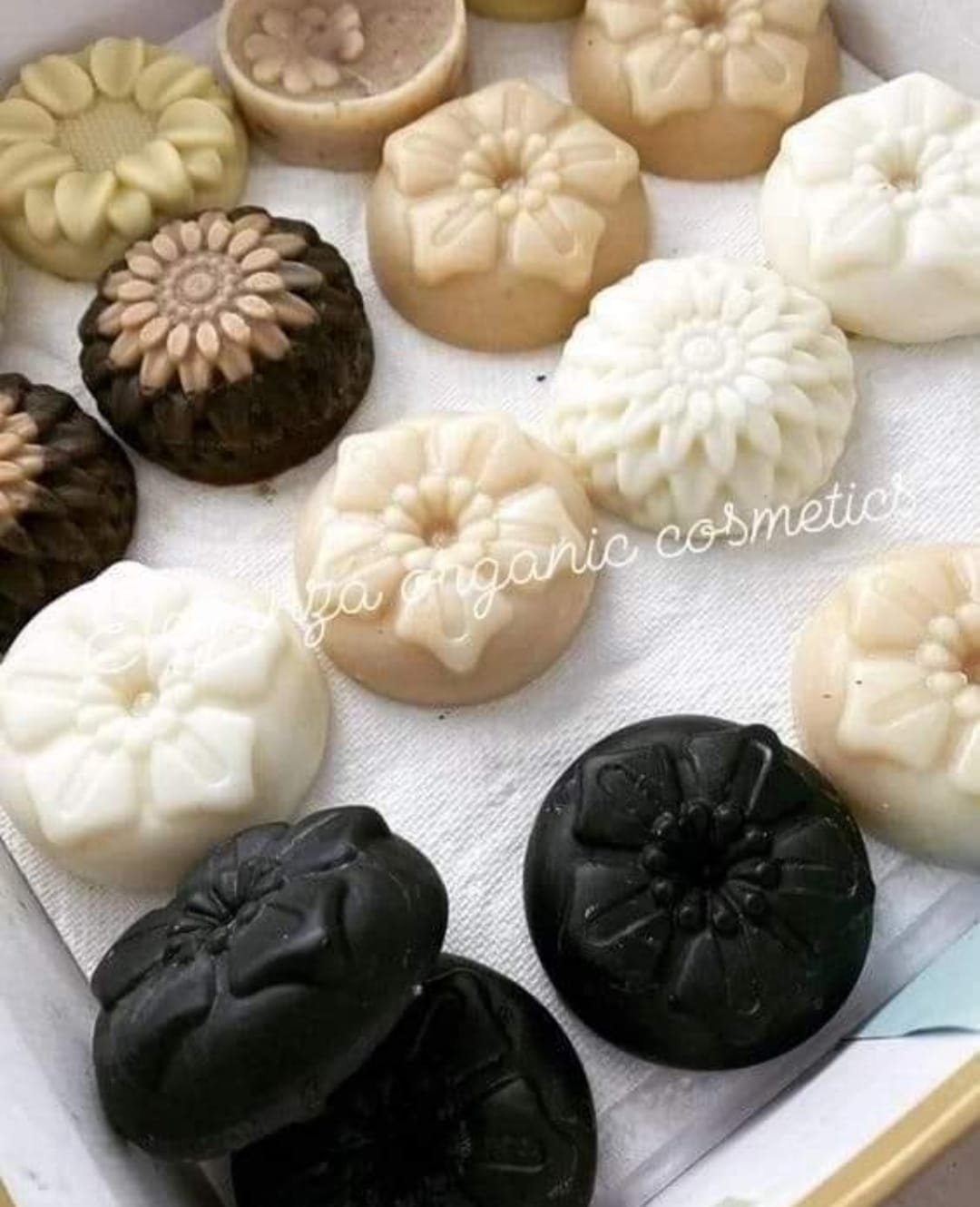
How to Choose the Perfect Organic Soap Bar for Your Skin In a world filled with synthetic skincare products, organic soap bars stand out as a pure, natural alternative for cleansing and [...]
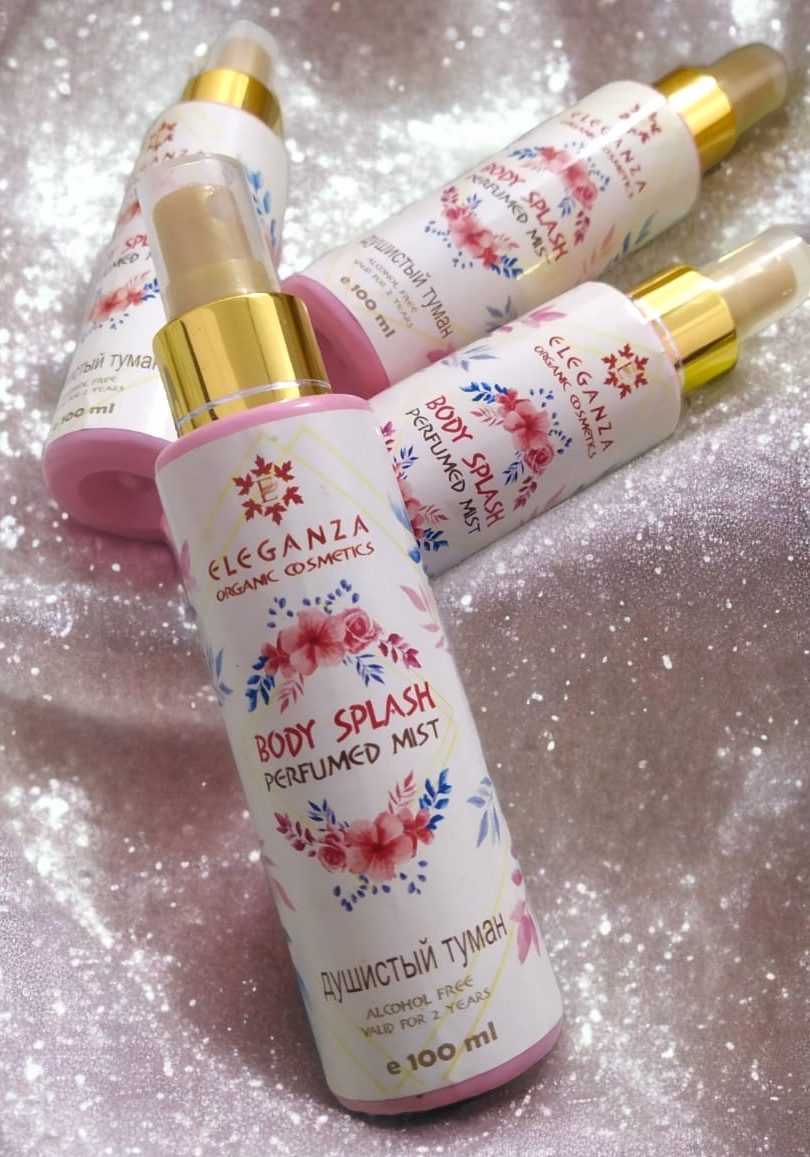
The Benefits of 0% Alcohol Perfumes and Body Splash
The Benefits of 0% Alcohol Perfumes and Body Splash In the world of fragrances, the shift toward healthier, skin-friendly options is gaining momentum. One of the most significant trends is [...]



In a concerning update for skincare acne treatment users, the U.S. Food and Drug Administration (FDA) has announced the recall of several popular acne treatment products due to dangerously high levels of benzene, a known cancer-causing chemical.
Benzene can form as a byproduct in products containing benzoyl peroxide, a common active ingredient in over-the-counter acne medications. The FDA recently tested 95 acne products and discovered that several exceeded the safe limits of benzene contamination.
???? Recalled Skincare Acne Treatment : Check Your Products
The FDA urges consumers to immediately check their skincare cabinets. If you're using any of the following recalled acne treatments, inspect the lot number and expiration date. Expired products or any on the recall list should be safely discarded.
Here are the acne treatment products affected by the recall:
- La Roche-Posay Effaclar Duo Dual Action Acne Treatment
- Lot number: MYX46W
- Expiration: April 2025
- Proactiv Emergency Blemish Relief Cream (5% Benzoyl Peroxide)
- Lot numbers: V3305A and V3304A
- Expiration: October 2025
- Proactiv Skin Smoothing Exfoliator
- Lot number: V4204A
- Expiration: July 2025
- Walgreens Acne Control Cleanser
- Lot number: 23 09328
- Expiration: September 2025
- Walgreens Tinted Acne Treatment Cream
- Lot number: 49707430
- Expiration: March 2026
- SLMD Benzoyl Peroxide Acne Lotion
- Lot number: 2430600
- Expiration: March 2025
???? Zapzyt Acne Treatment Also Voluntarily Recalled
Additionally, the maker of Zapzyt Acne Treatment Gel has voluntarily recalled its product following similar benzene contamination discovered during independent testing. This move adds to growing concerns about benzoyl peroxide safety and its potential to break down into harmful chemicals when improperly stored or formulated.
???? Why Is Benzene Dangerous in Skincare Acne Treatment ?
Benzene is a toxic chemical classified as a Group 1 human carcinogen by the World Health Organization (WHO). Long-term exposure—even at low levels—can lead to serious health risks, including:
- Blood cancers like leukemia
- Immune system suppression
- Bone marrow damage
The presence of benzene in acne products with benzoyl peroxide highlights a need for stricter manufacturing controls and better product stability, especially in warm or humid environments where chemical breakdown may accelerate.
????️ What You Can Do to Stay Safe
- Stop using any product listed in the acne treatment recall.
- Check lot numbers and expiration dates on your skincare products.
- Follow recall updates on the FDA's website or subscribe to product safety alerts.
- Consider switching to benzene-free acne treatments with alternative active ingredients like salicylic acid or adapalene.
✅ Stay Informed on Skincare Acne Treatment Product Safety
As the FDA continues its investigation, more brands and formulations could be added to the list. For now, consumers are advised to be vigilant and prioritize safe acne treatments that are tested for purity and free from toxic contaminants.
What to Do If You've Been Using a Recalled Skincare Acne Treatment
If you've been using any of the recently recalled acne products due to concerns about benzene, the safest course of action is to stop using them immediately. You can either dispose of the products safely or return them to the place of purchase for a potential refund.
According to the FDA, while benzene is a known carcinogen, the risk of developing cancer from using these acne treatments, even daily over many years, is considered low. Still, growing awareness of this chemical's potential danger has led to increased testing and multiple product recalls in recent years.
Many over-the-counter acne medications—especially those that include benzoyl peroxide—may produce benzene under certain conditions. Heat and direct sunlight can accelerate this breakdown, but recent studies suggest that benzoyl peroxide can degrade into benzene even at normal room temperatures.
It's important to note that benzene is not unique to skincare. It occurs naturally in the environment and is found in substances like cigarette smoke, as well as household products such as detergents, medications, and pesticides.
7 Skincare Acne Treatment Products You Should Never Buy
⚠️ Skincare Acne Treatment Recall Due to Benzene Contamination In a concerning update for skincare acne treatment users, the U.S. Food and Drug Administration (FDA) has announced the recall of [...]
How to Choose the Perfect Organic Soap Bar for Your Skin
How to Choose the Perfect Organic Soap Bar for Your Skin In a world filled with synthetic skincare products, organic soap bars stand out as a pure, natural alternative for cleansing and [...]
The Benefits of 0% Alcohol Perfumes and Body Splash
The Benefits of 0% Alcohol Perfumes and Body Splash In the world of fragrances, the shift toward healthier, skin-friendly options is gaining momentum. One of the most significant trends is [...]
Leave A Comment